Understanding the Role of a CNC Machinist
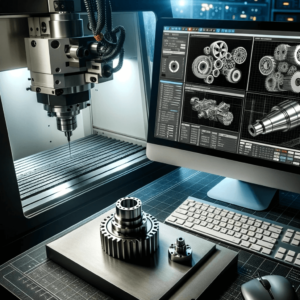
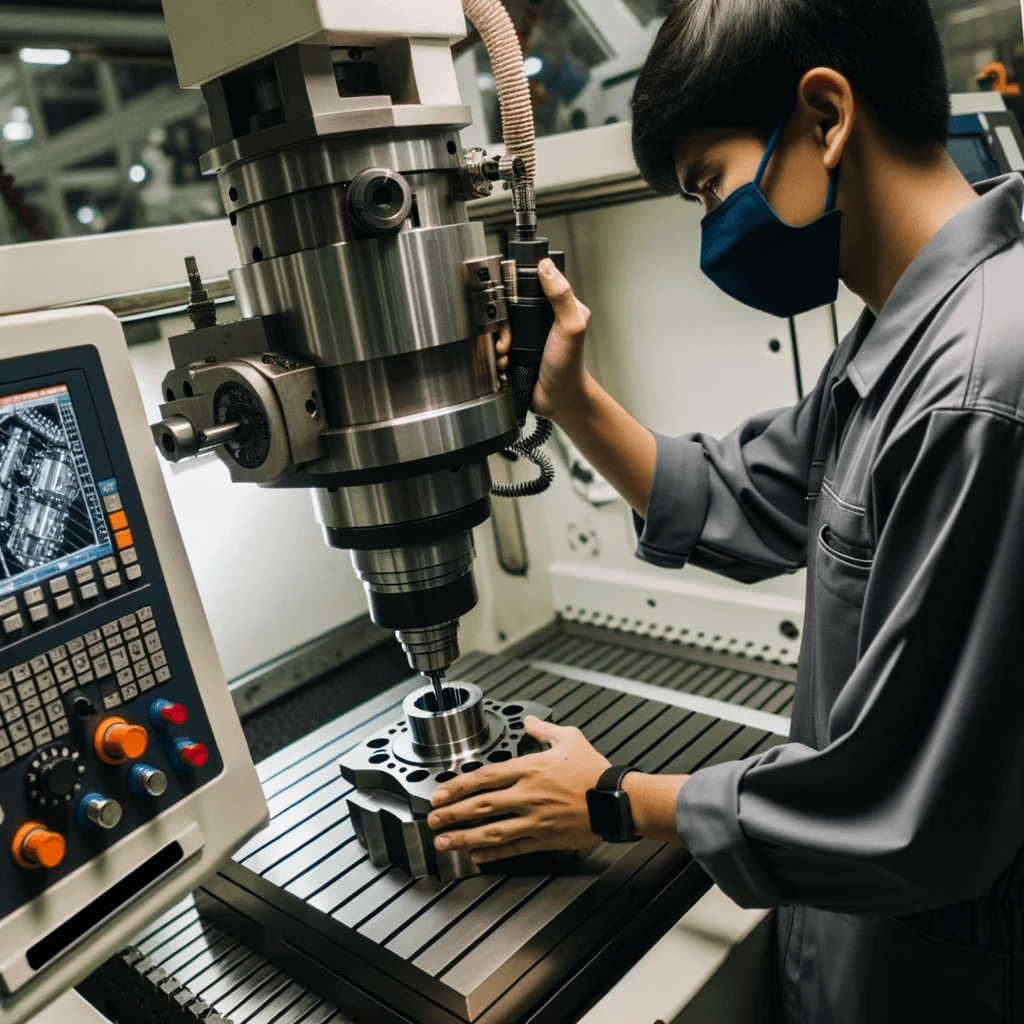
A CNC machinist is a skilled professional in the field of machining who operates computer numerical control (CNC) machines to produce precision components, whether in single pieces or large quantities. CNC machinists are responsible for programming machines to perform milling operations, which involve removing material from a raw workpiece to shape it into the desired form.
Working with CNC machines requires a profound understanding of machining processes and tools. CNC machinists use programming software to create instructions that guide the machine through various milling operations. They must also ensure that the machines are properly configured to produce high-quality components that meet the specifications of each project.
The work of a CNC machinist demands meticulous attention to detail and a deep knowledge of machines and cutting tools. CNC machinists must also be capable of solving complex technical problems and working independently.
Applications Across Industries
CNC machinists are employed in a variety of industries, including aerospace, automotive, medicine, and many others. They are tasked with producing high-quality components in large quantities, often working with expensive and intricate materials.
In the aerospace industry, CNC machinists manufacture critical components for aircraft, ensuring the highest levels of precision and safety. In the automotive sector, they contribute to the production of engine parts that require precision and durability. In the medical field, CNC machinists create custom medical devices and implants tailored to individual patients.
The versatility of CNC machining extends its reach to numerous other sectors, showcasing its importance in modern manufacturing.
Skills and Precision in CNC Machining
Being a CNC machinist requires a strong foundation in mathematics and geometry to work with precision. These professionals are responsible for creating complex toolpaths, selecting cutting speeds, and ensuring that every dimension is accurate within tight tolerances.
Moreover, CNC machinists must continuously monitor the machining process, making adjustments as needed to maintain the desired quality. This level of precision is essential in producing components that meet rigorous industry standards.
In summary, the role of a CNC machinist involves precision work and high technology, demanding technical skills and meticulous attention to detail. CNC machinists play a pivotal role in the production of high-quality components used in various industries.